

Seventh Grade

7.1 chemical reactions & matter
14 lessons | 25 days of instruction
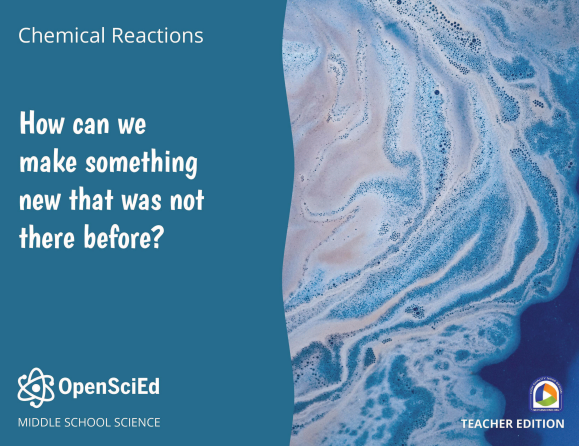
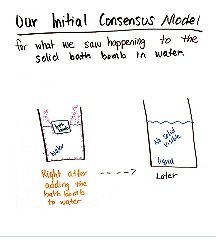
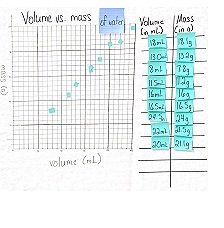
This unit on chemical reactions and matter transformations begins as students consider what happens to a bath bomb when it is added to water. This and related phenomena (where adding a solid to water resulted in gas bubbles appearing) leads to a broader set of students’ questions around: How can we make something new that was not there before?
Learn more in the Unit Storyline
Single Kit | $
All materials for 1 class
Multi Kit | $
Materials for 6 sections
Add-On | $
Consumables for 1 class


7.2 chemical reactions & energy
10 lessons | 21 days of instruction
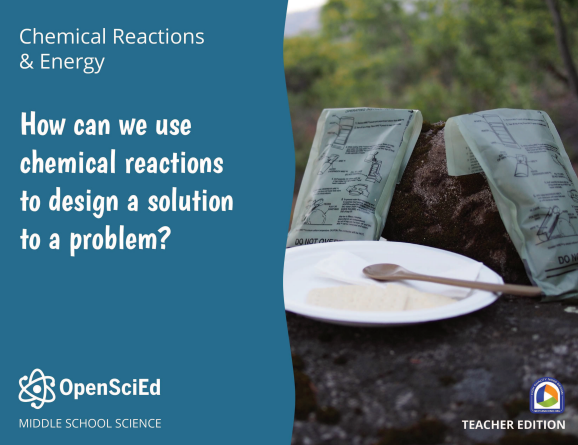
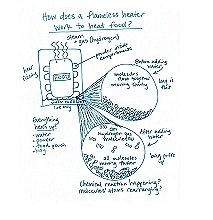
Students are introduced to the anchoring phenomenon—a flameless heater in a Meal, Ready-to-Eat (MRE) and collect evidence to support the idea that these heaters are undergoing chemical reactions as they get warm. Students have an opportunity to reflect on the engineering design process, defining stakeholders, and refining the criteria and constraints for the design solution. Students design homemade heaters designs and go through a series of iterative testing and redesigning.
Learn more in the Unit Storyline
SINGLE KIT | $
All materials for 1 class
MULTI KIT | $
Materials for 6 sections
ADD-ON | $
Consumables for 1 class


7.3 metabolic reactions
15 lessons | 29 days of instruction
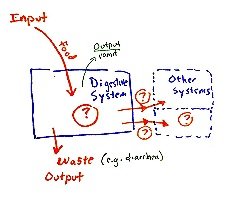
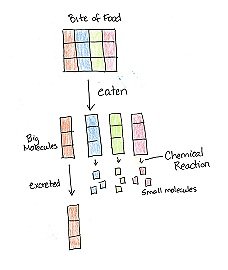
This unit on metabolic reactions in the human body starts out with students exploring a real case study of a middle-school girl named M’Kenna, who reported some alarming symptoms to her doctor. Her case sparks questions and ideas for investigations around trying to figure out which pathways and processes in M’Kenna’s body might be functioning differently than a healthy system and why. Through this work of figuring out what is causing M’Kenna’s symptoms, the class discovers what happens to the food we eat after it enters our bodies and how M’Kenna’s different symptoms are connected.
Learn more in the Unit Storyline.
SINGLE KIT | $
All materials for 1 class
MULTI KIT | $
Materials for 6 sections
ADD-ON | $
Consumables for 1 class


7.4 matter cycling & photosynthesis
15 lessons | 29 days of instruction
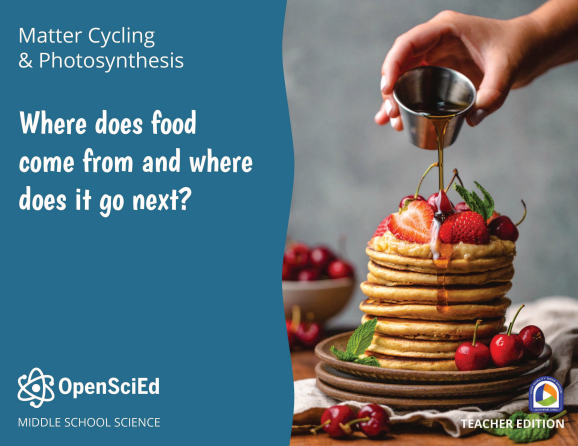
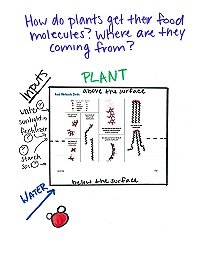
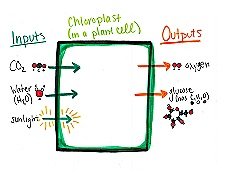
Students reflect on what they ate for breakfast and consider which breakfast items might be from plants. This discovery leads them to wonder how plants are getting these food molecules and where a plant’s food comes from. Students explain that the pieces of their food are constantly recycled between living and nonliving parts of a system.
Learn more in the Unit Storyline.
SINGLE KIT | $
All materials for 1 class
MULTI KIT | $
Materials for 6 sections
ADD-ON | $
Consumables for 1 class


7.5 ecosystem dynamics
20 lessons | 33 days of instruction
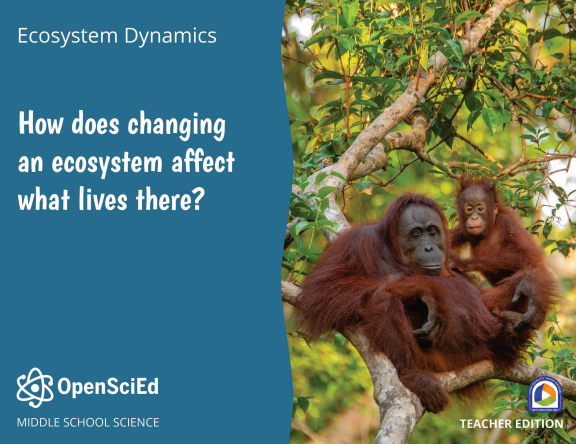
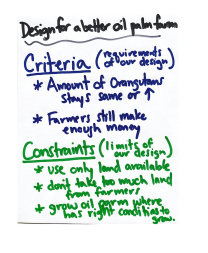
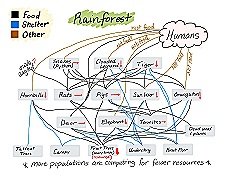
This unit on ecosystem dynamics and biodiversity begins with students reading headlines that claim that the future of orangutans is in peril and that the purchasing of chocolate may be the cause. Students then examine the ingredients in popular chocolate candies and learn that one of these ingredients--palm oil--is grown on farms near the rainforest where orangutans live. This prompts students to develop initial models to explain how buying candy could impact orangutans.
Learn more in the Unit Storyline.
SINGLE KIT | $
All materials for 1 class
MULTI KIT | $
Materials for 6 sections
ADD-ON | $
Consumables for 1 class

7.6 EARTH’S RESOURCES & HUMAN IMPACT
18 lessons | 33 days of instruction
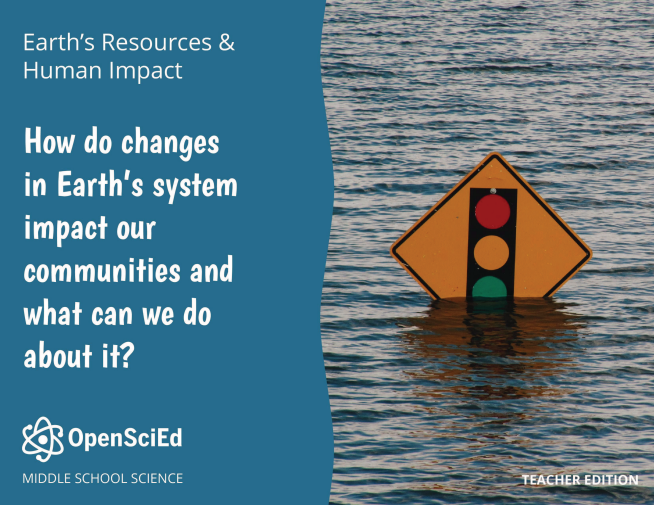
This unit on Earth’s resources and human impact begins with students observing news stories and headlines of drought and flood events across the United States. Students figure out that these drought and flood events are not normal and that both kinds of events seem to be related to rising temperatures. This prompts them to develop an initial model to explain how rising temperatures could cause both droughts and floods and leads students to wonder what could cause rising temperatures, too. This initial work sets students up to ask questions related to the query: How do changes in Earth’s system impact our communities and what can we do about it?
Learn more in the Unit Storyline.
SINGLE KIT | $
All materials for 1 class
MULTI KIT | $
Materials for 6 sections
ADD-ON | $
Consumables for 1 class


Einstein Project is a 501(c)(3) non-profit STEM resource center driven to empower educators and inspire learners.