

HS - Physics
P.1 Energy Flow from Earth’s Systems
11 lessons | 28 days of instruction
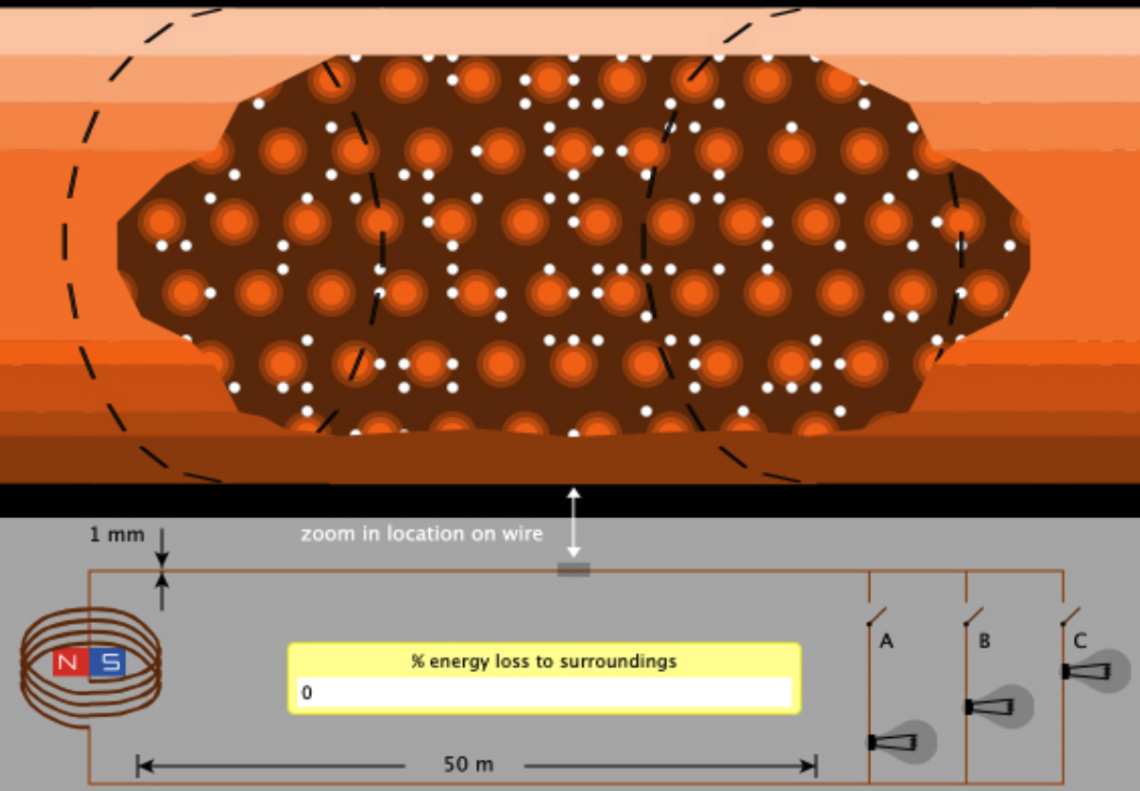
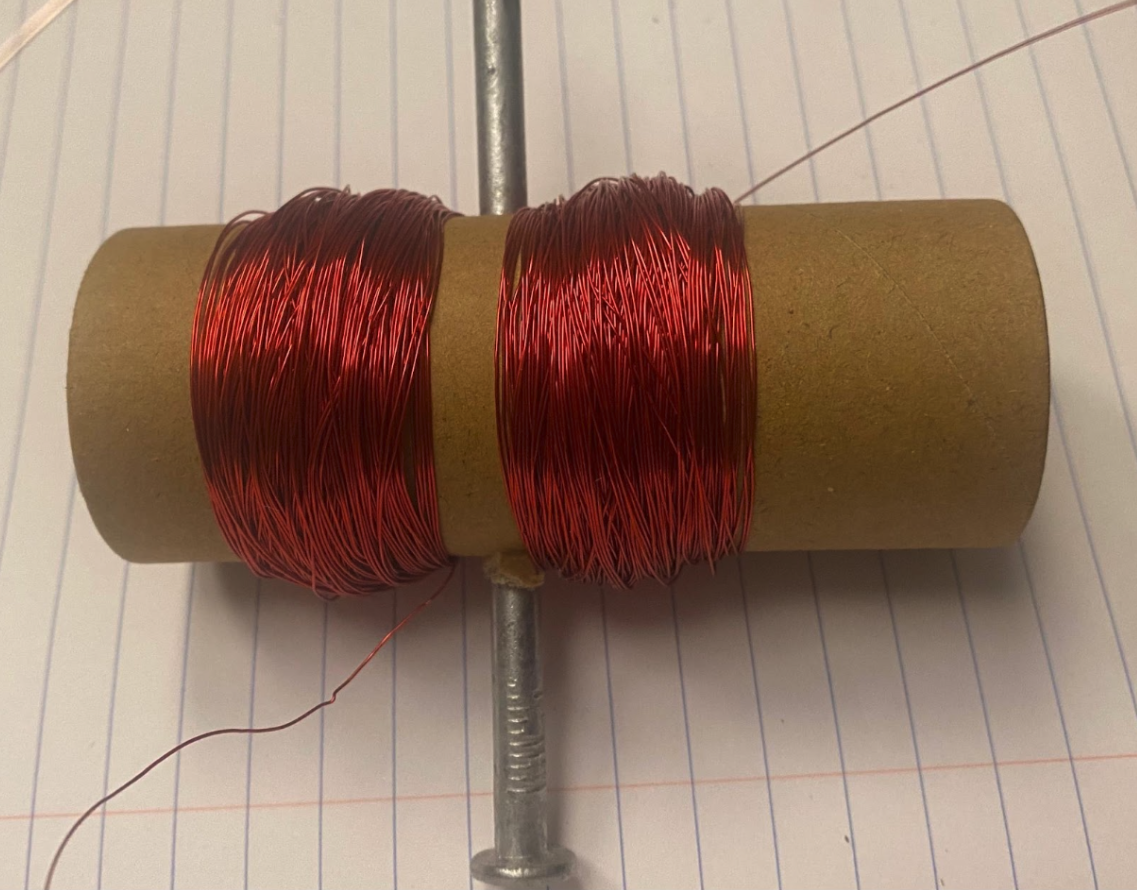
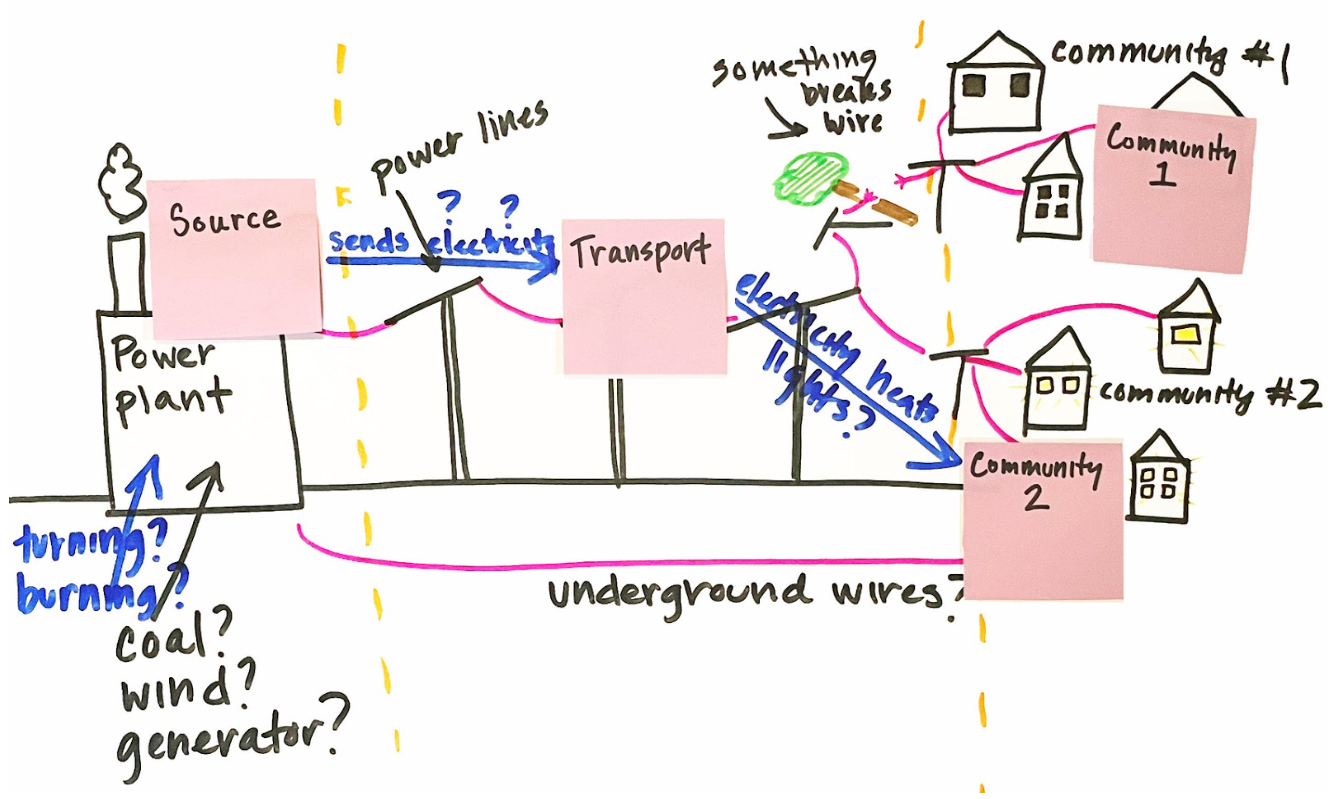
How can we design more reliable systems to meet our communities’ energy needs? This unit is designed to introduce students to the concept of energy transfer in a relevant and grounded context: the Texas power crisis of February 2021. Students read articles and wonder about the complex social, environmental, and physical realities that led to such a crisis. They figure out how energy transfers between systems from a generator to our communities, and what makes an energy source reliable. This allows the class to model and explain what happened in Texas at multiple scales, from the electrons in the wires to the power companies making difficult decisions to maintain stability. Students consider engineering tradeoffs, criteria, and constraints inherent in making decisions about our energy systems, and apply them in a culminating task: design a reliable energy solution that meets our communities' needs, as articulated by interviews with friends and family members. The task is designed to give students the tools to speak up in their local and global community for a better energy future, one that aligns with their own values, and those of their families.
Learn more in the Unit Storyline
SINGLE KIT | $
All materials for 1 class
MULTI KIT | $
Materials for 6 sections
ADD-ON | $
Consumables for 1 class
P.2 Energy, Forces, & Earth’s Crust
13 lessons | 27.5 days of instruction
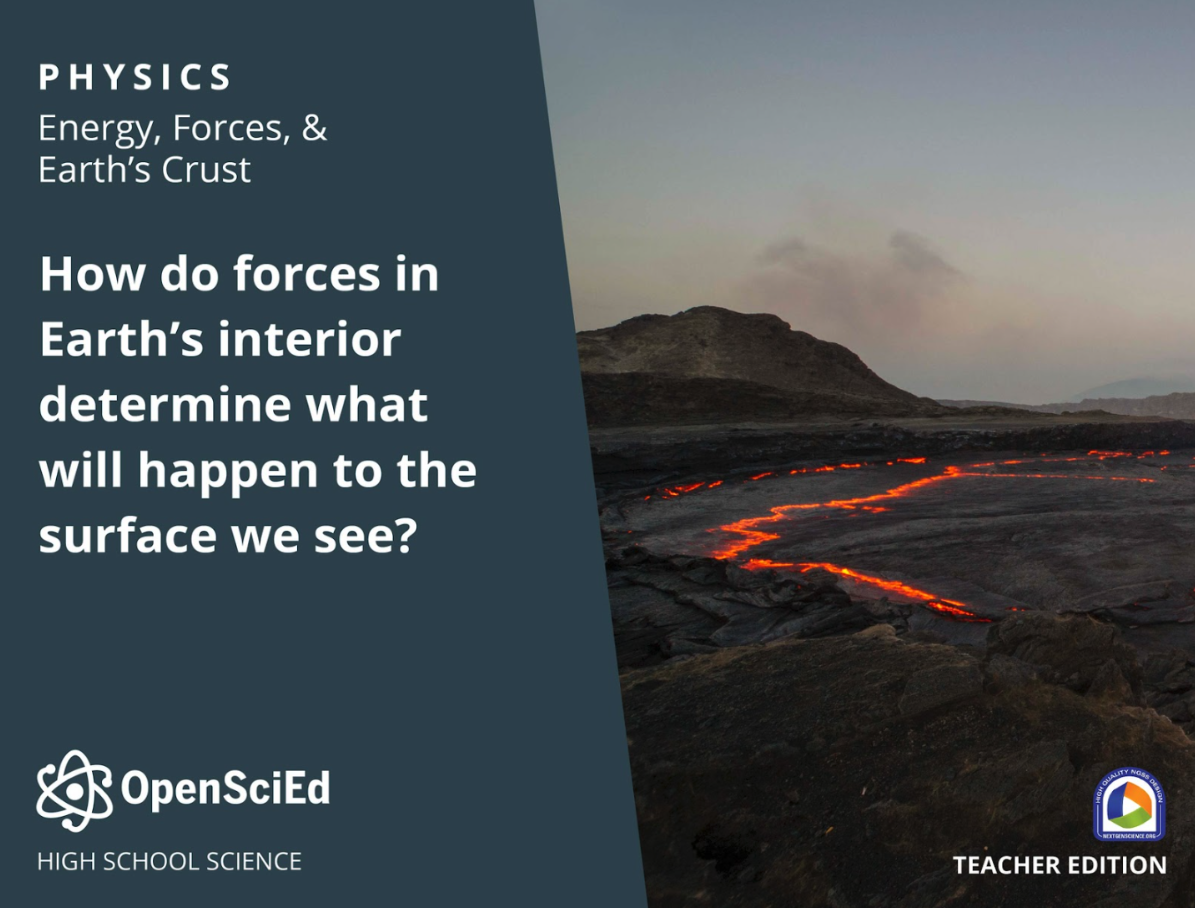
How do forces in Earth’s interior determine what will happen to the surface we see? This unit is designed to help students build an intuitive understanding of the relationship between energy transfer and unbalanced forces as they explore science ideas related to plate tectonics, radioactivity, convection, and rock formation.
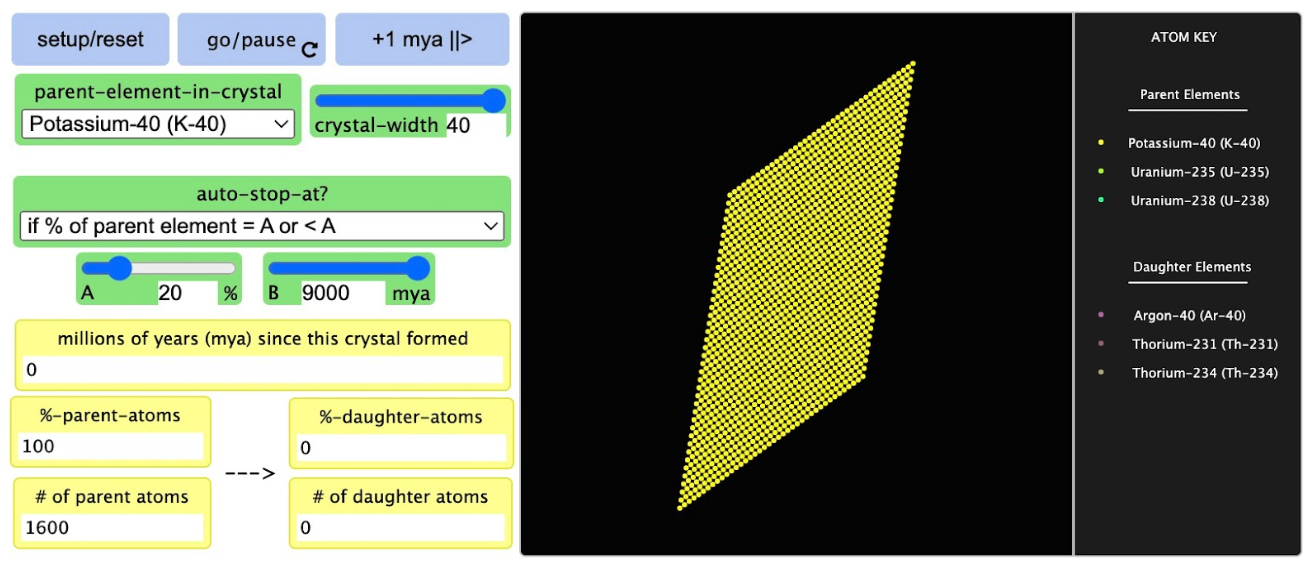
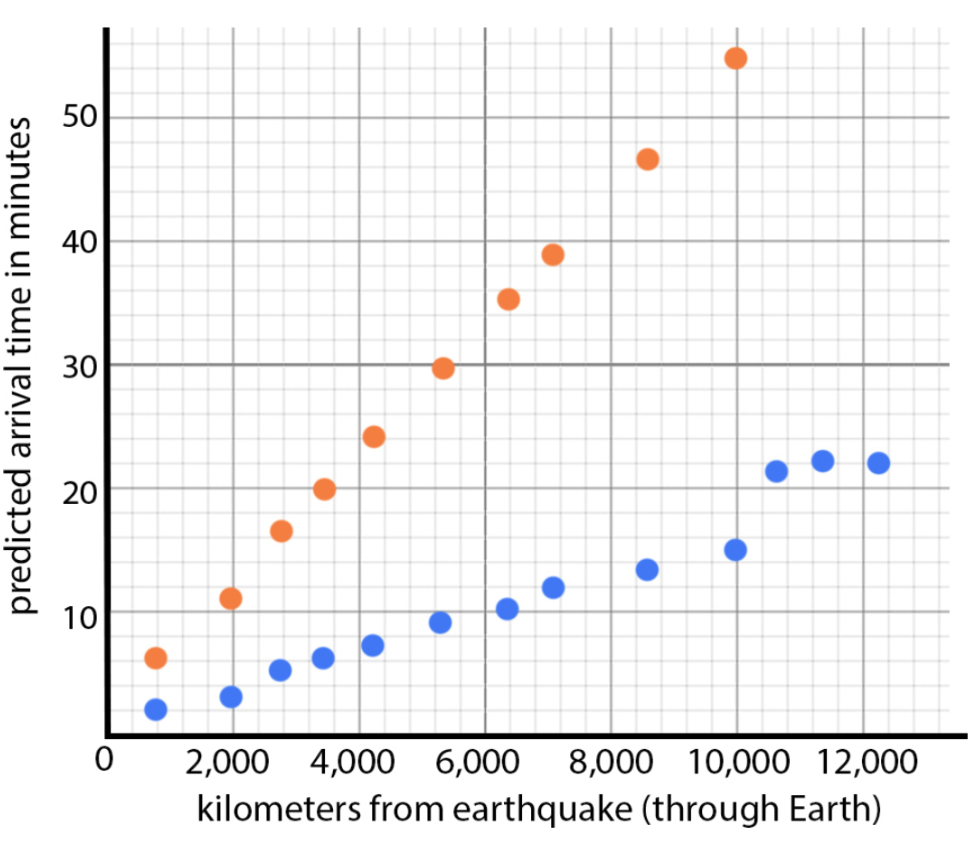
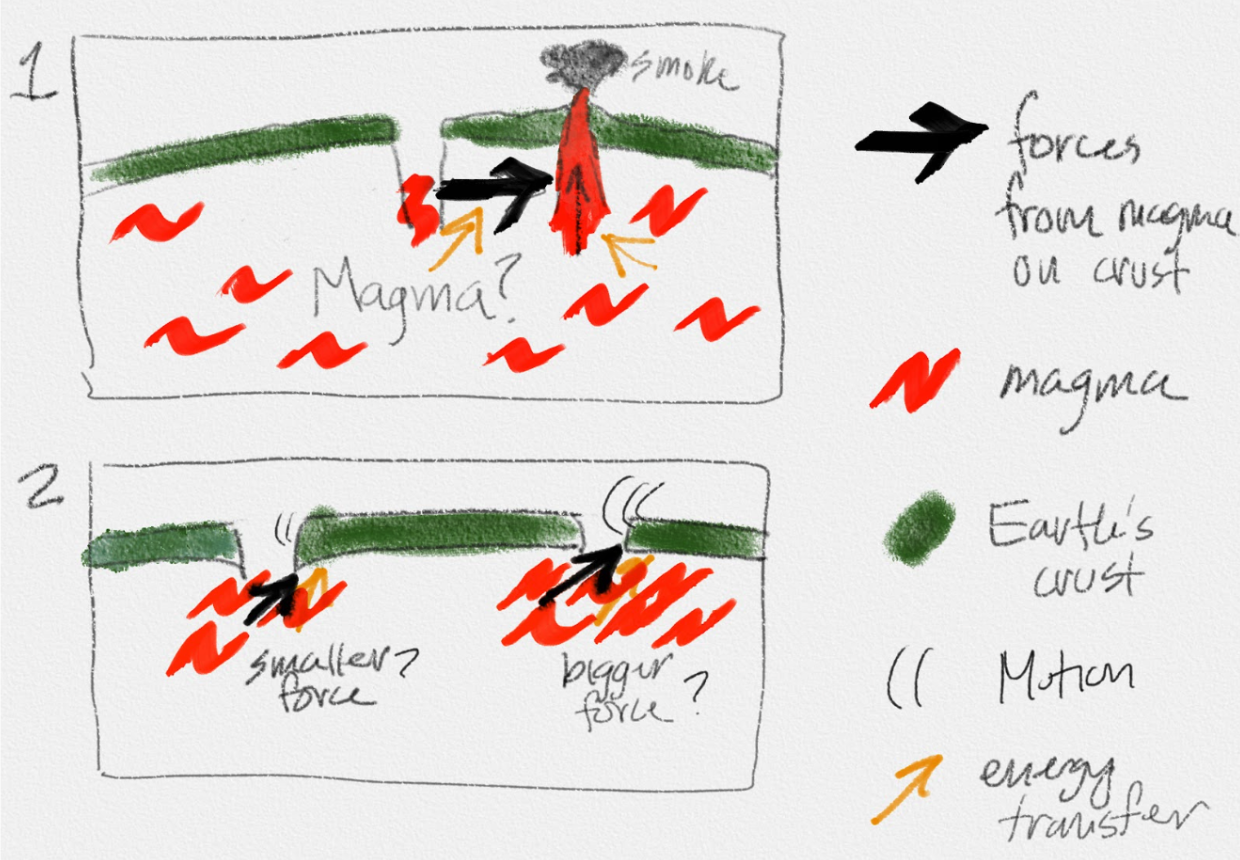
Students read about a crack that opened up suddenly in the Afar region of Ethiopia in 2005, accompanied by earthquakes and volcanos. They compare this to other earthquake events that occur in North America. This prompts them to model the events that occurred before, during, and after the crack was discovered. They figure out that changes in the structure of matter involve unbalanced forces and energy transfer, and use this idea to explain earthquakes and volcanoes at plate boundaries. They explore Earth’s interior using tomography and modeling, including radioactivity, to explain the unbalanced forces driving changes in Earth’s crust. They then investigate the interactions happening at plate boundaries and the nature of the relationship between mass and forces on the movement of tectonic plates to explain the past, present, and potential future of the Afar region. Finally, students apply these ideas in a transfer task to explain why a rift similar to the rift in the Afar region failed to create an ocean in the middle of North America 1.1 billion years ago.
Learn more in the Unit Storyline
SINGLE KIT | $
All materials for 1 class
MULTI KIT | $
Materials for 6 sections
ADD-ON | $
Consumables for 1 class
P.3 Collisions & Momentum
15 lessons | 32 days of instruction
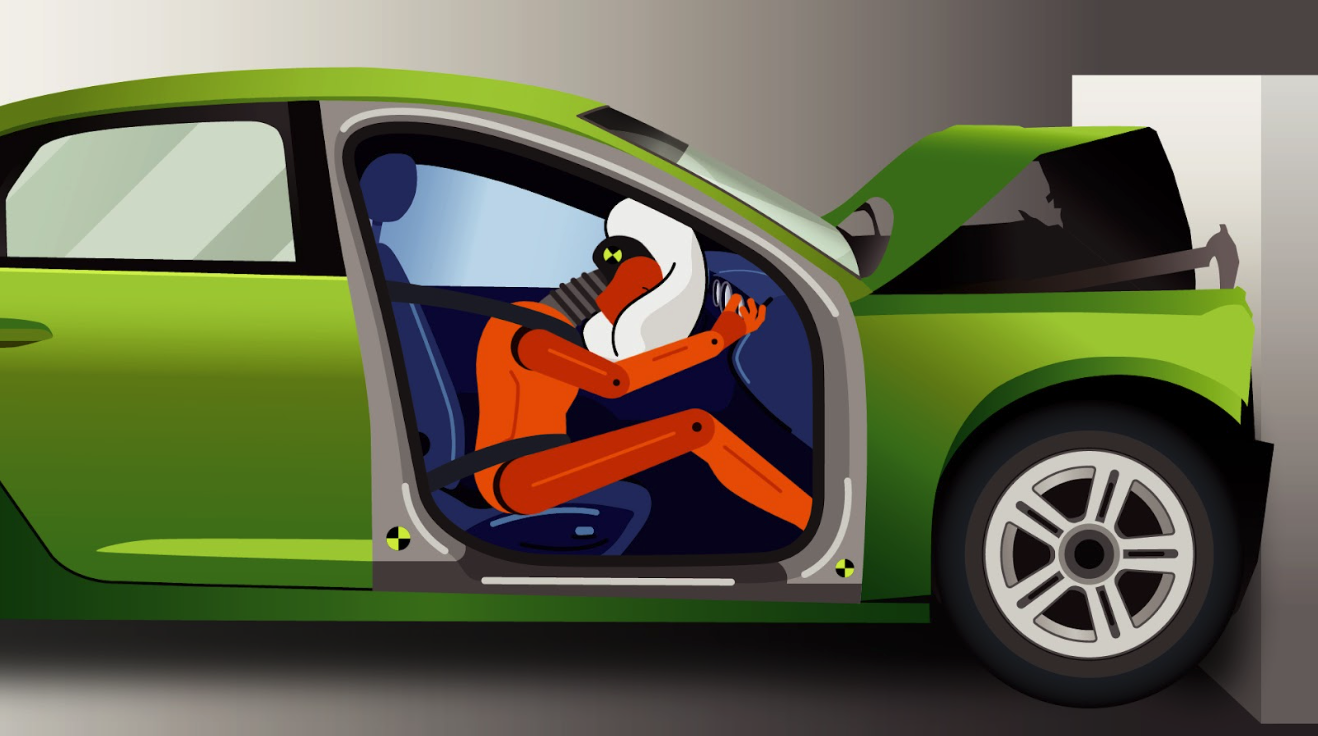
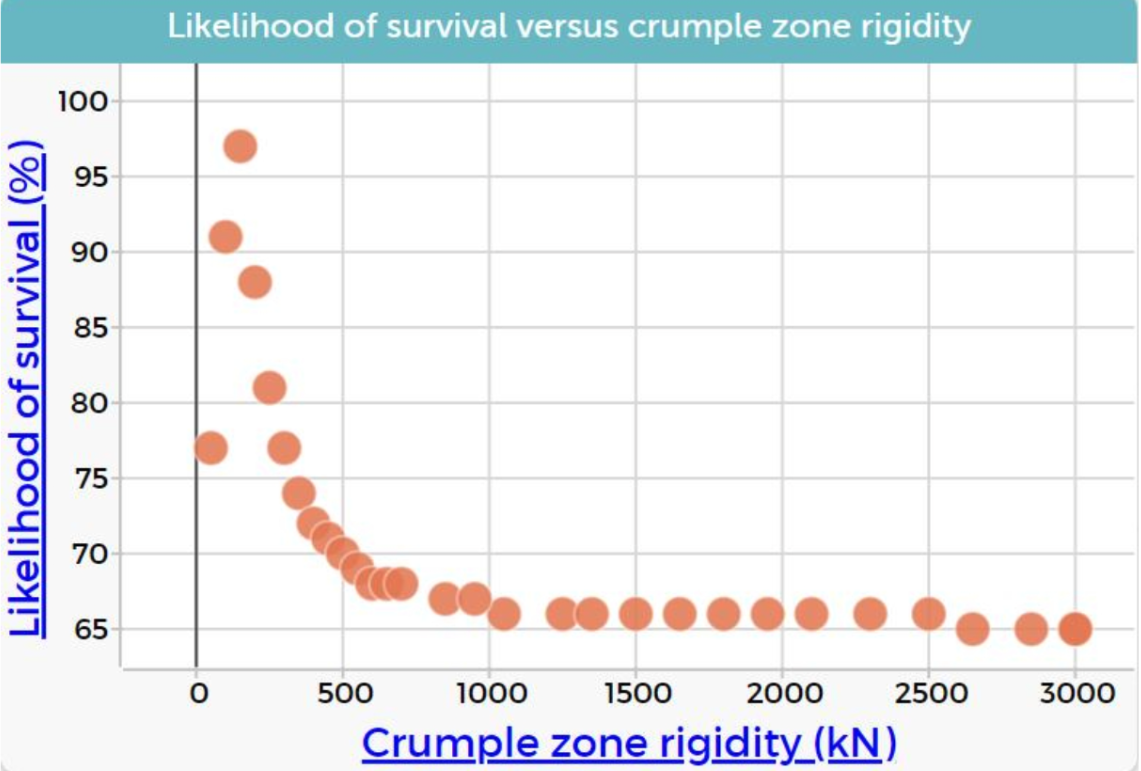
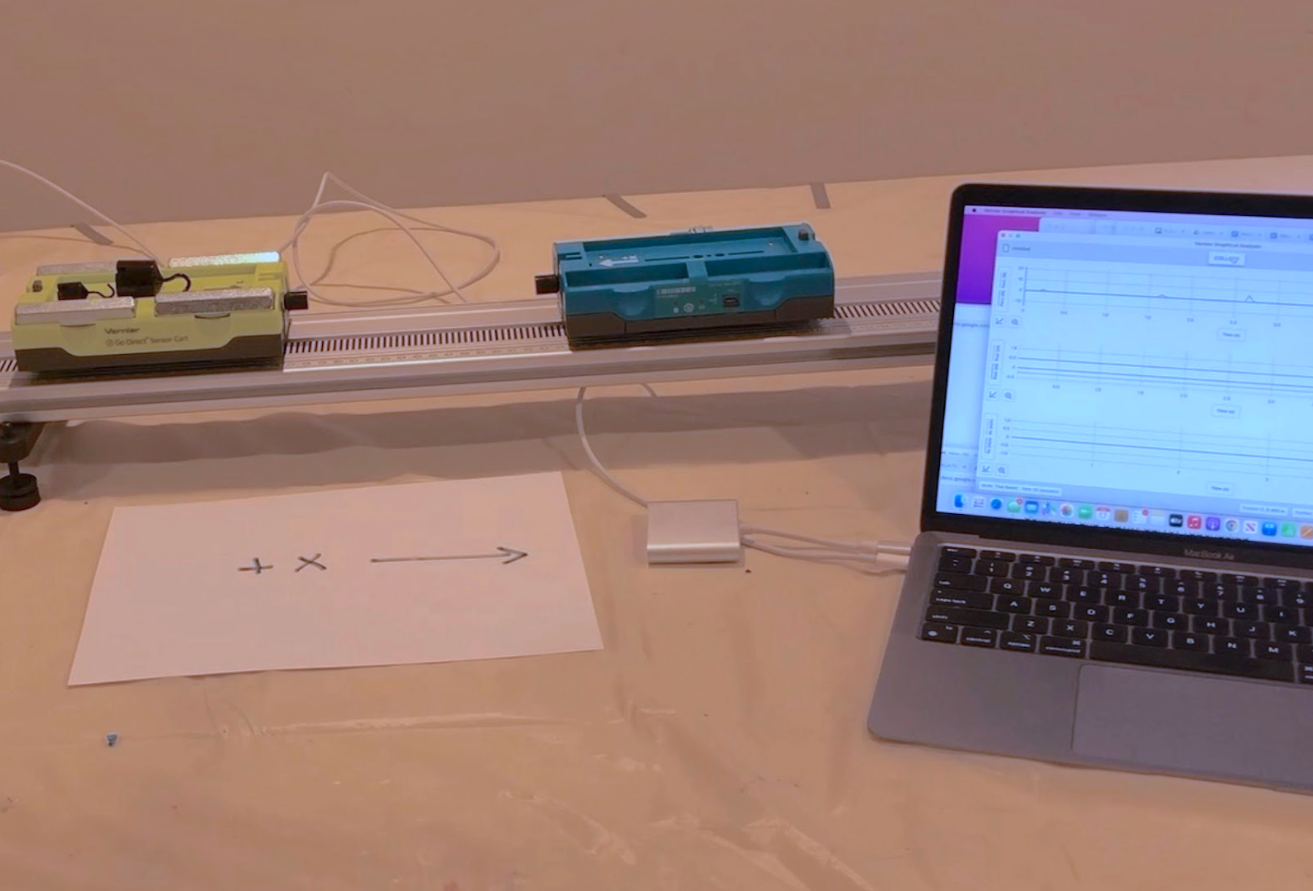
This unit is designed to introduce students to the concept of momentum and Newton’s second law in an intuitive and grounded context. The learning is anchored by a puzzling set of patterns in traffic collision data over time: while overall, vehicle fatalities have been decreasing steadily for decades, the trend appears to have reversed, with both collisions and fatalities increasing. This phenomenon provides the context in which to investigate the physical relationships among mass, velocity, momentum, force, time, and acceleration, basic physical quantities that provide the foundation for the study of mechanics. Students will analyze statistics on vehicle collisions, analyze the motion of vehicles stopping short, and model vehicle collisions as part of an engineering task to reduce the chances of injury in a collision by testing and evaluating solutions that could change force interactions in the system.
Learn more in the Unit Storyline
SINGLE KIT | $
All materials for 1 class
MULTI KIT | $
Materials for 6 sections
ADD-ON | $
Consumables for 1 class
P.4 Meteors, Orbits, & Gravity
15 lessons | 27 days of instruction
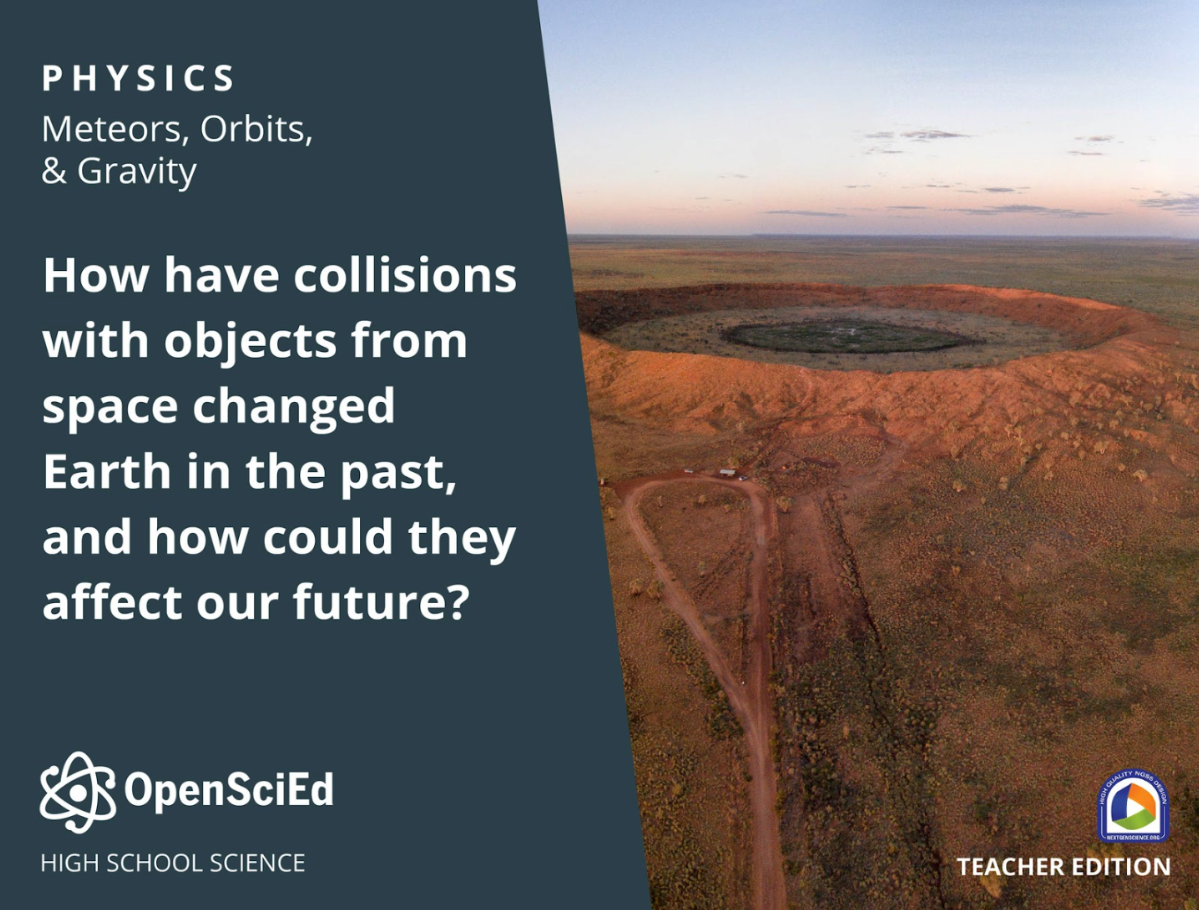
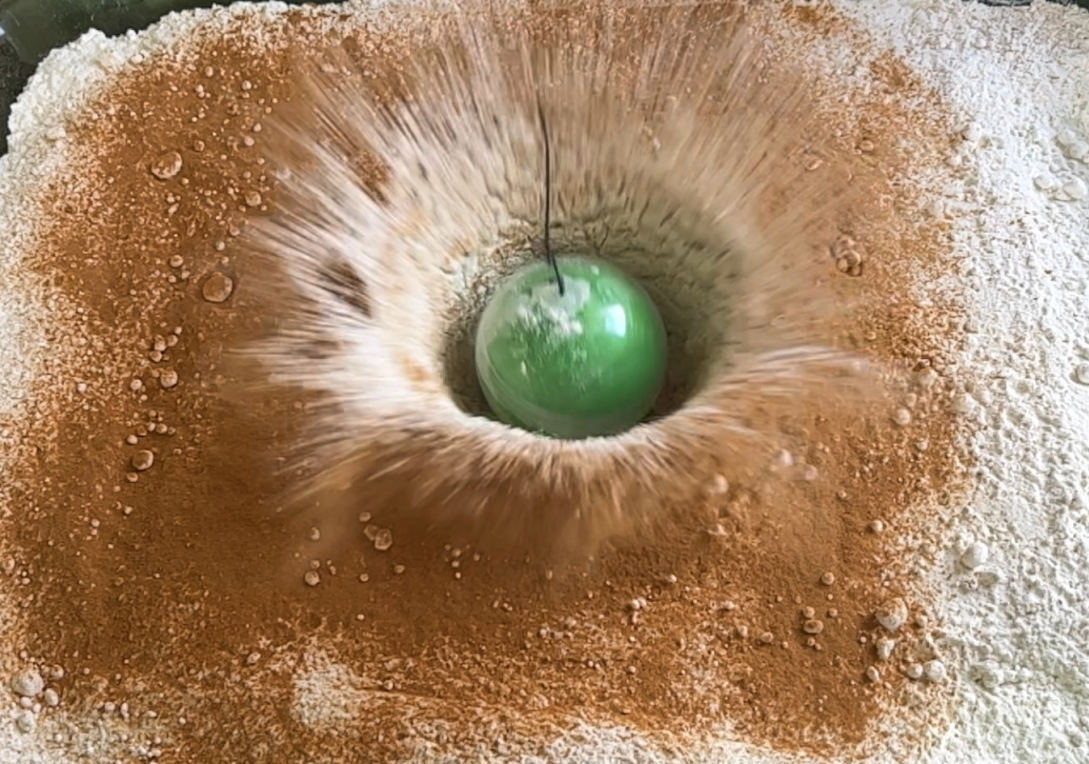
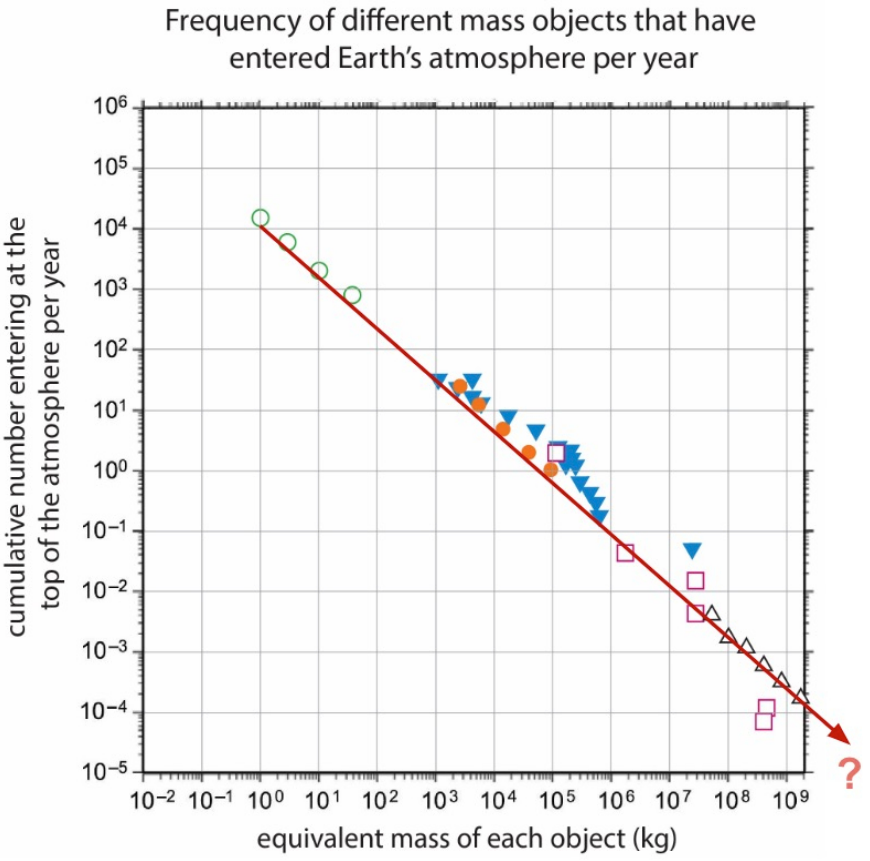
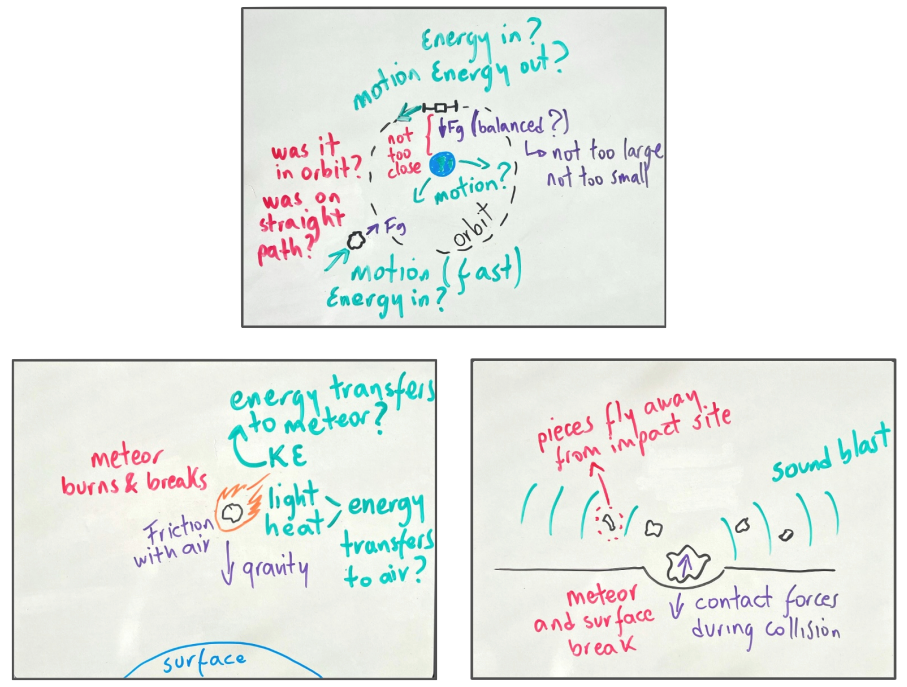
How have collisions with objects from space changed Earth in the past, and how could they affect our future? This unit is designed to introduce students to the motion of objects in our solar system through the perspectives of matter, force, and energy. The learning is anchored by the appearance of a large fireball in the sky over Siberia in 2013 (the Chelyabinsk meteor). This phenomenon provides the context in which to investigate how and why objects from space sometimes collide with Earth. To figure this out, students apply the concepts of Newton’s universal law of gravitation, orbital motion, energy transfer with gravitational fields, and the history of Earth.
Learn more in the Unit Storyline
SINGLE KIT | $
All materials for 1 class
MULTI KIT | $
Materials for 6 sections
ADD-ON | $
Consumables for 1 class
P.5 Electromagnetic Radiation
13 lessons | 27 days of instruction
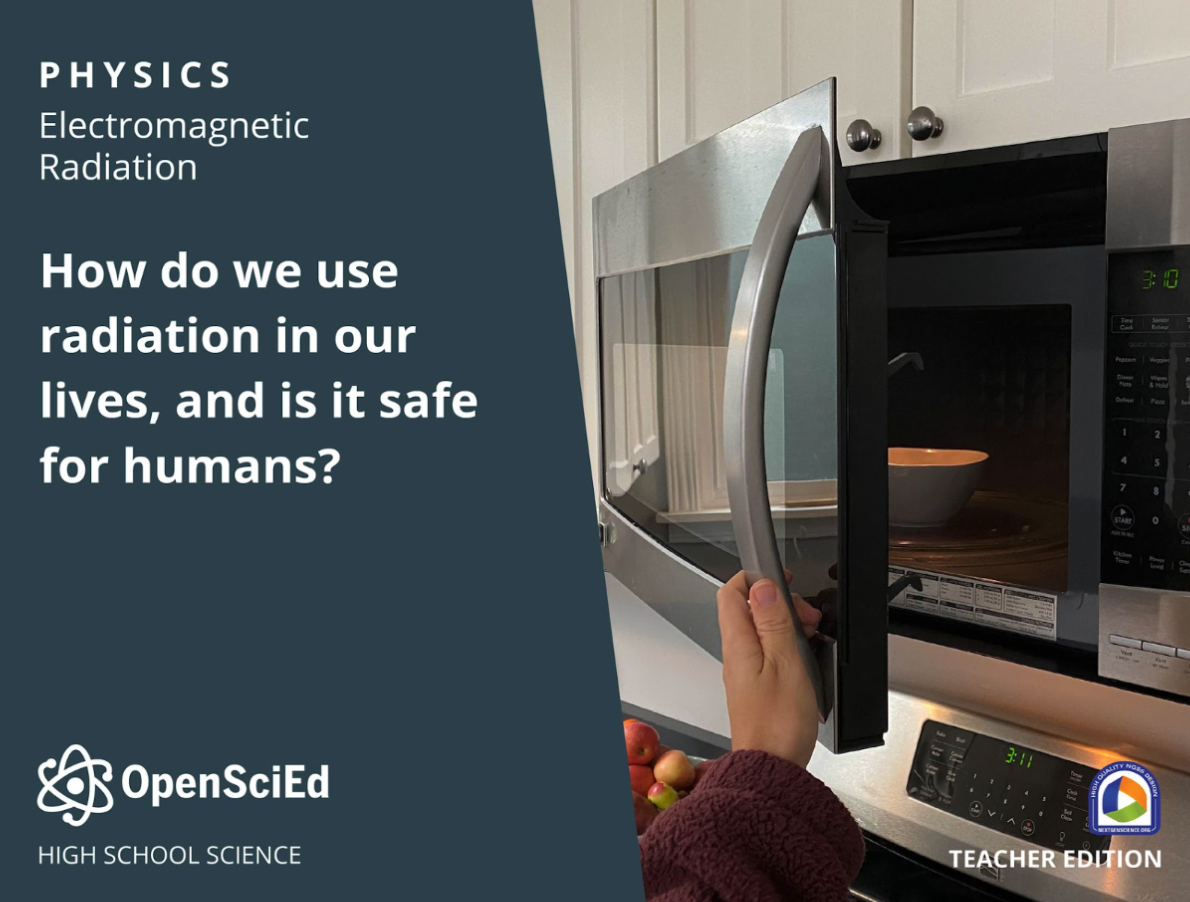
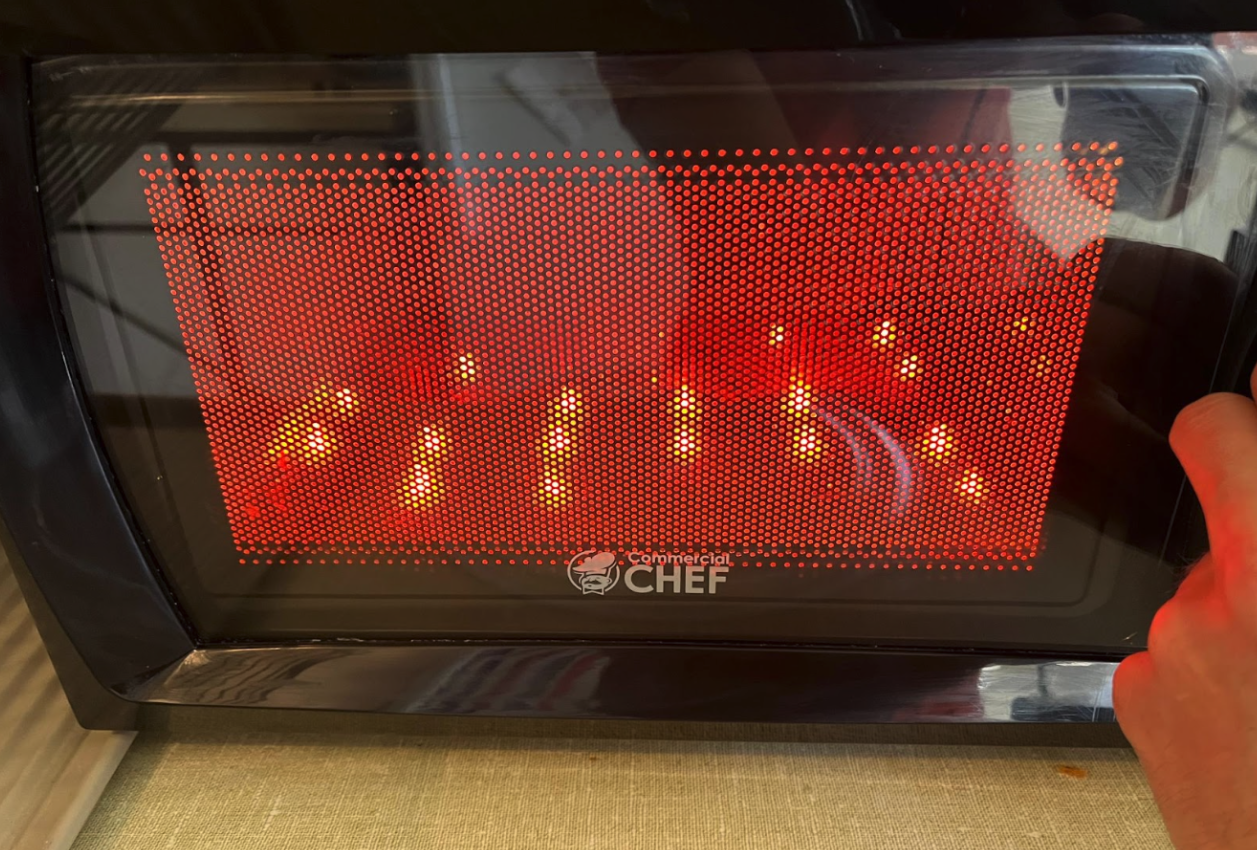
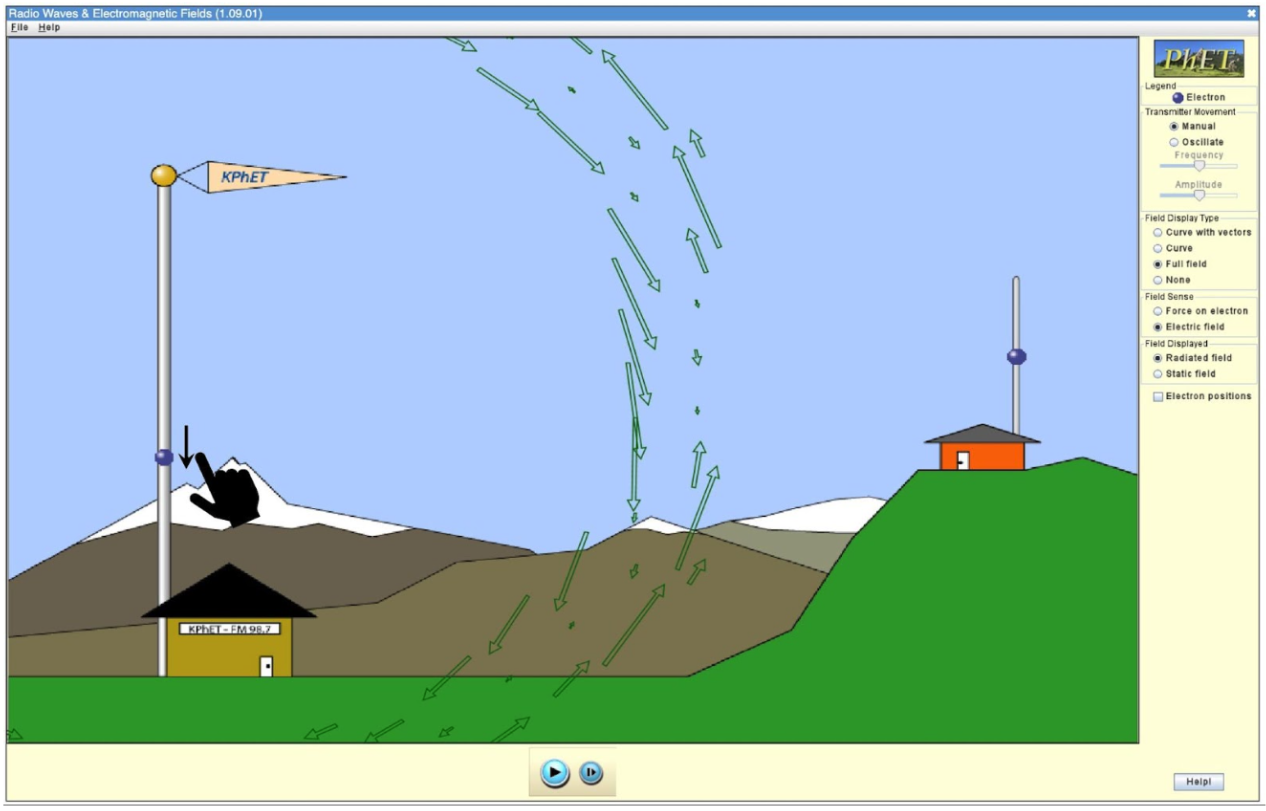
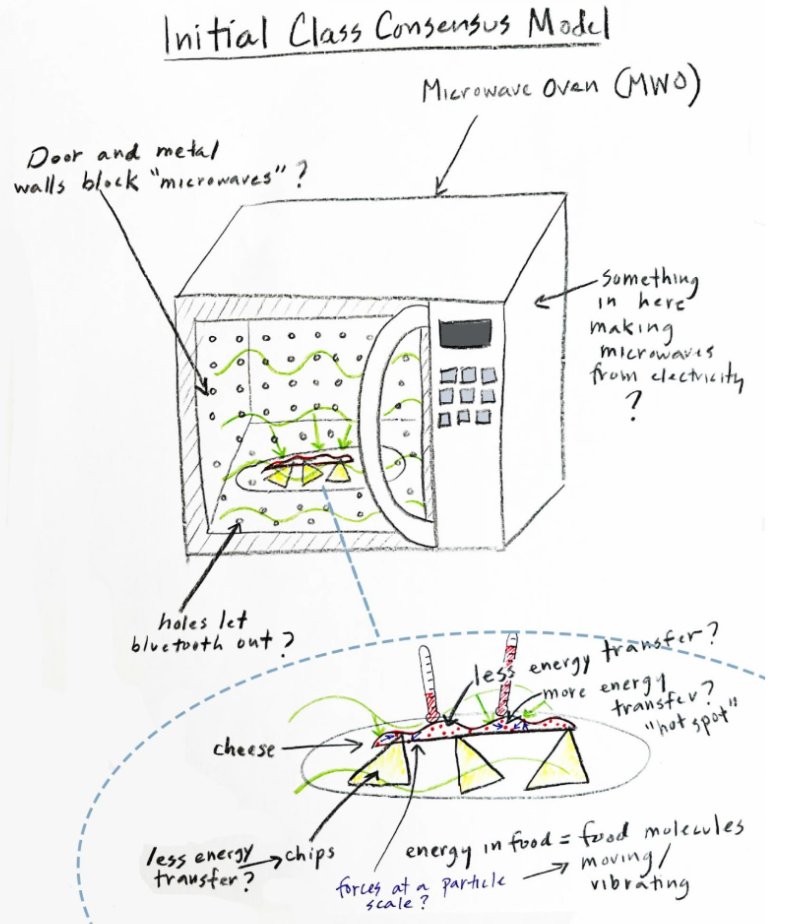
How do we use radiation in our lives, and is it safe for humans? This unit begins with a news article about the unconventional use of microwave ovens to store electronics. Students are motivated to test the behavior of a Bluetooth speaker playing music from a device inside the oven when it is not running. They also test what happens when it runs and heats up food. This phenomenon sets the stage for exploring wave behavior, the interactions of matter with electromagnetic radiation, and how we can use these interactions in different technologies to digitize, store and transfer information. Throughout the unit, students use simulations to model field interactions and energy transfer through electromagnetic radiation. They conduct investigations using the microwave oven to explore how different materials interact with microwave radiation, and how the structure of this device affects energy transfer. Students explain how the frequency and amplitude of electromagnetic radiation affects its interactions with matter and evaluate the wave and photon models of electromagnetic radiation. Students obtain and communicate information about the uses of electromagnetic radiation, its safety, and methods of protection. They apply these ideas in a culminating task to evaluate whether 5G technology is safe.
Learn more in the Unit Storyline
SINGLE KIT | $
All materials for 1 class
MULTI KIT | $
Materials for 6 sections
ADD-ON | $
Consumables for 1 class
P.6 Stars & the Big Bang
7 lessons | 15 days of instruction
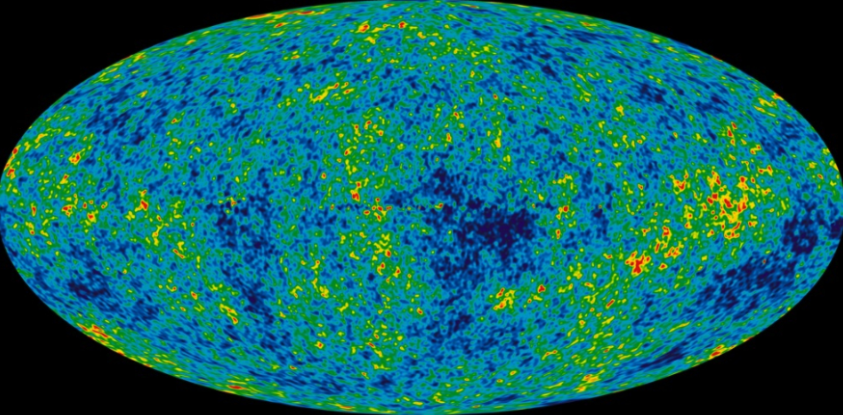
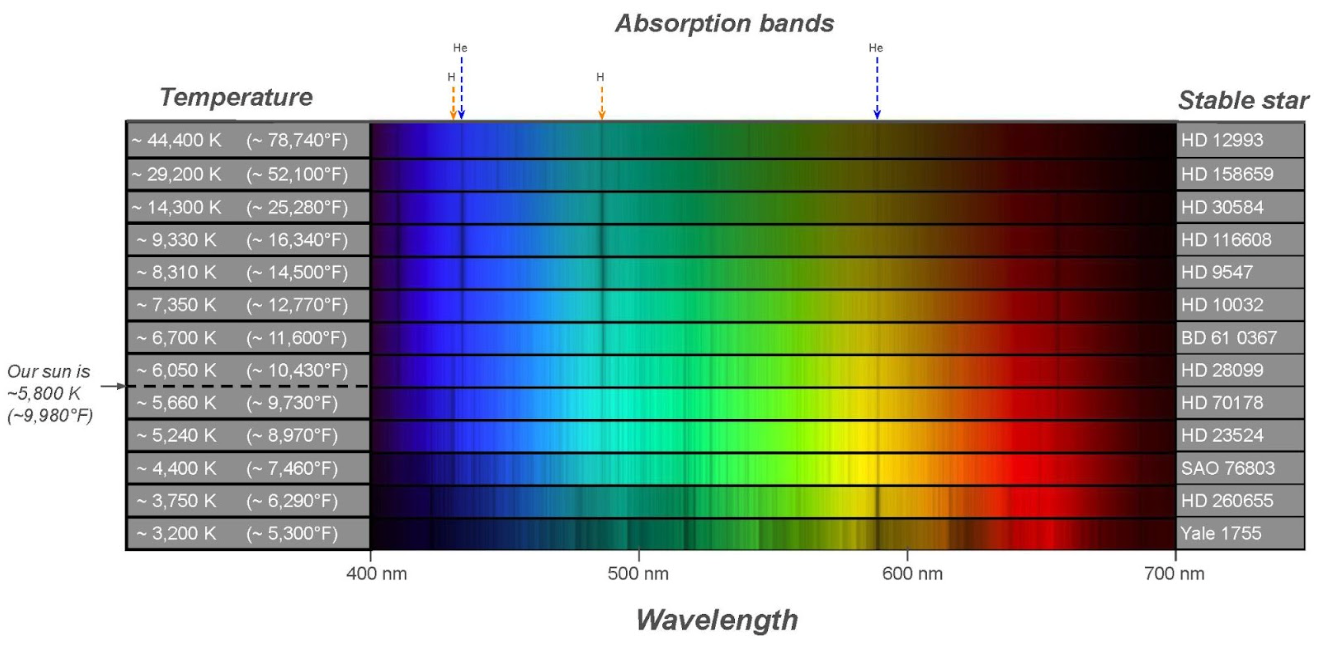
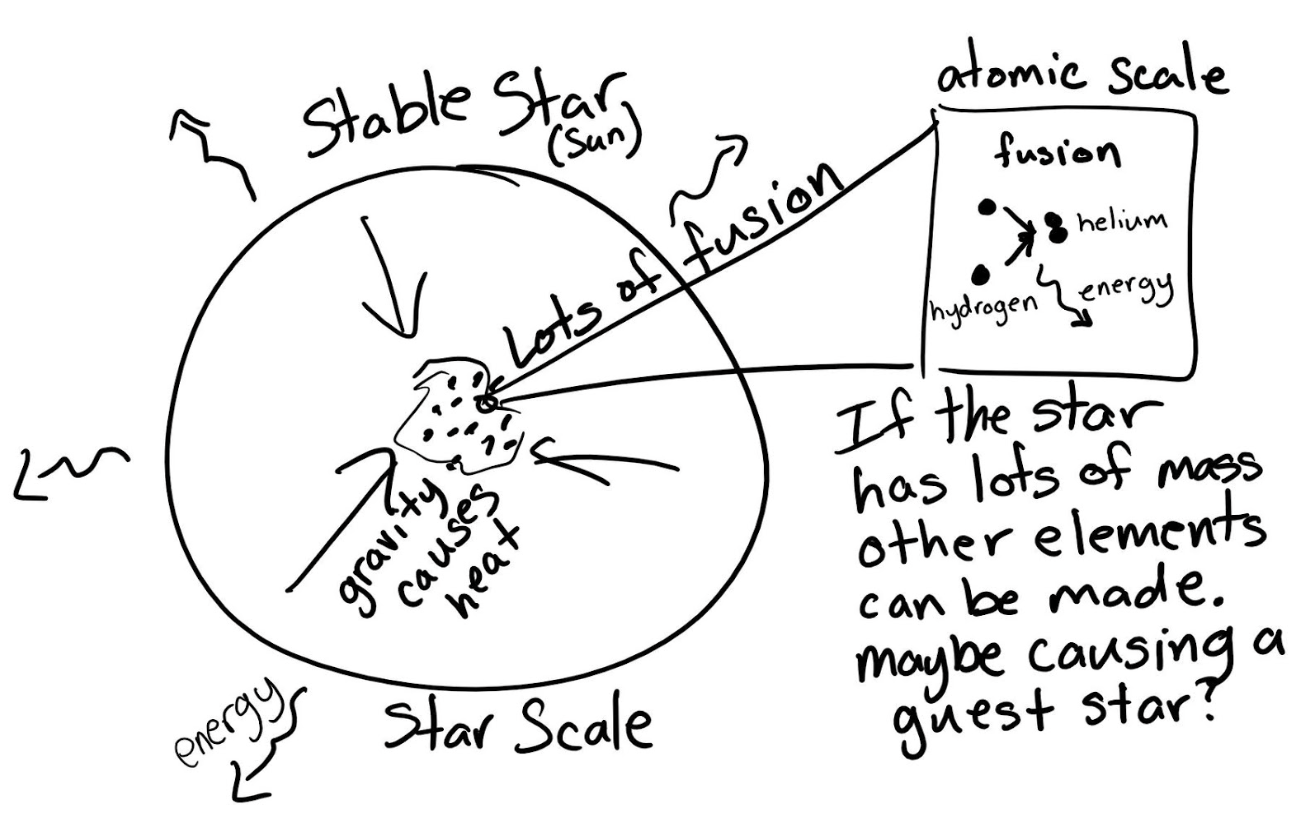
This unit is anchored by historical accounts of stars that suddenly appear and disappear shortly later. Students wonder about how some stars appear unchanging while these stars change so drastically within such a short period of time. That makes students wonder why stars shine and what could cause stars to change. They organize their questions regarding matter, energy, and forces and decide to look more closely at the places in the sky where these historical events took place using modern technology. In Lesson Set 1 (Lessons 2-5), students investigate photos and spectra of the remnants of these events and then develop two sets of research questions to investigate in small groups before coming together to come to consensus in Lesson 5 around the fusion and the lifecycle of stars. Students’ small-group internet research is scaffolded by a set of tools introduced strategically across the unit: the Planning for Obtaining Information Tool, the Obtaining Information Tool, and the Evaluating Sources of Information Tool.
Learn more in the Unit Storyline
SINGLE KIT | $
All materials for 1 class
MULTI KIT | $
Materials for 6 sections
ADD-ON | $
Consumables for 1 class
Einstein Project is a 501(c)(3) non-profit STEM resource center driven to empower educators and inspire learners.