

fourth Grade

Streamside Survival
7 Lessons | 30-33 Days of Instruction
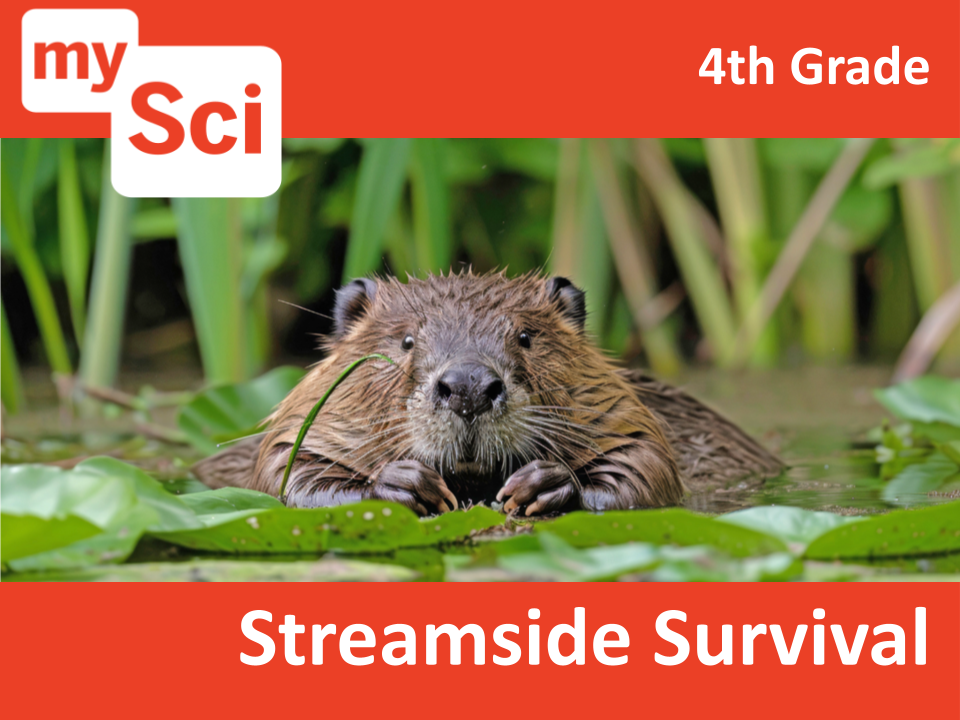
In this unit, students investigate how plants and animals survive in wetland habitats by examining how their structures support their basic needs. They explore the unique environmental conditions of wetlands and how organisms are adapted to live in these water-rich ecosystems. Students compare different plant and animal structures to understand how these features help them survive where they live. Through this, they develop explanations for how structure and function are connected in living things.
Learn more in the Unit Overview
MATERIALS FOR 1 CLASS | $275
THE POWER OF WATER
8 Lessons | 35 Days of Instruction
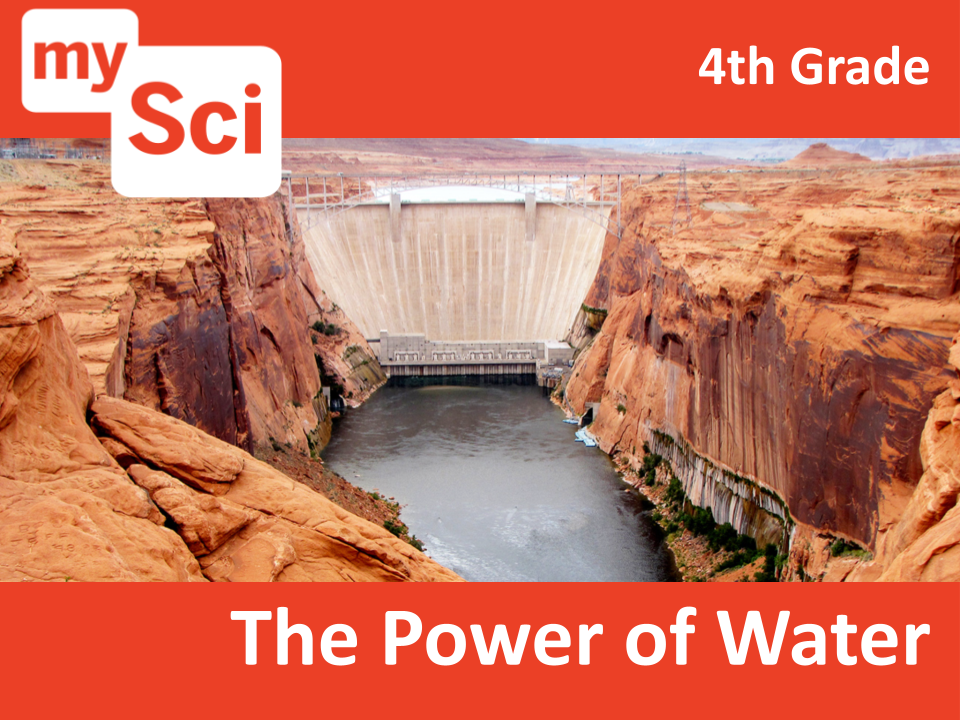
At the start of this unit, students view a slide deck of photos and listen to a podcast to make observations and ask questions about the Glen Canyon Dam. Throughout the unit, students will collect evidence about why the Glen Canyon Dam is controversial and how it impacts people, animals, and the environment. They will use this evidence to produce a public service announcement (video, slides, poster, or other form of media) to inform their peers/families about the different sides of the controversy.
Learn more in the Unit Overview
MATERIALS FOR 1 CLASS | $275
Sensing tsunamis
7 Lessons | 29-34 Days of Instruction
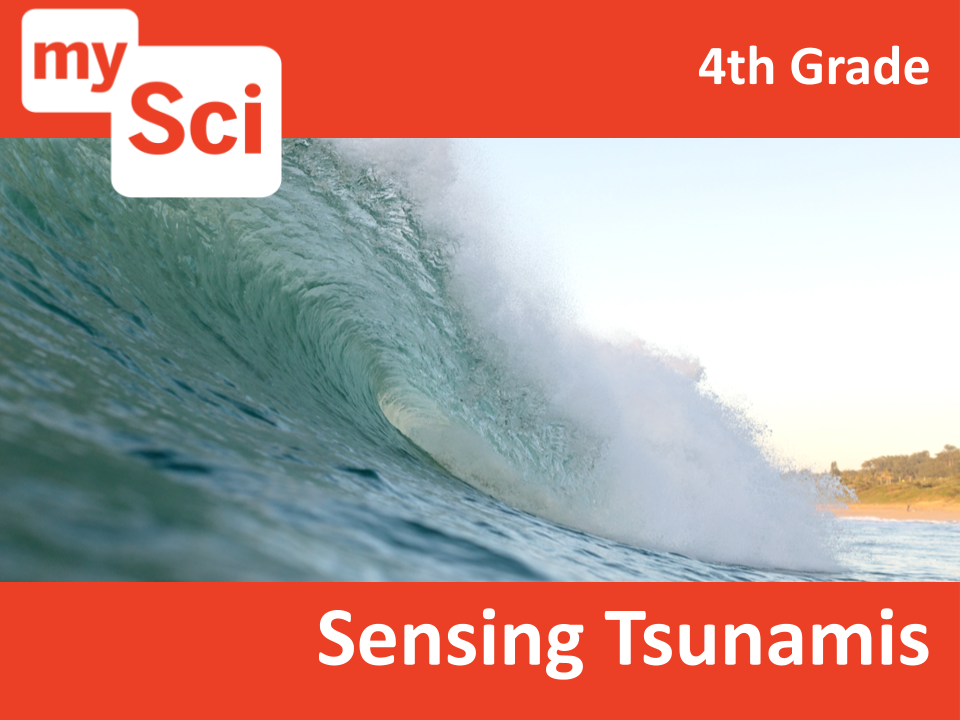
Students participate in a read aloud as an introduction to tsunamis. They view slides and videos of tsunamis in Japan and Indonesia and consider the cause of tsunamis, the structure of the waves, and ask questions about how to detect tsunamis in order to reduce the impact of tsunamis on people. Students will learn where tsunamis occur and how earthquakes often cause tsunami waves. They will develop a model to explain how these waves are formed and identify patterns in terms of amplitude and wavelength. Then, they will explore ways people might detect tsunamis ahead of time and send messages to people across long distances. They use their understanding of science ideas to design a solution using sensors and computer programs to improve warnings about tsunamis.
Learn more in the Unit Overview
MATERIALS FOR 1 CLASS | $275
a playground for all
8 Lessons | 29-34 Days of Instruction
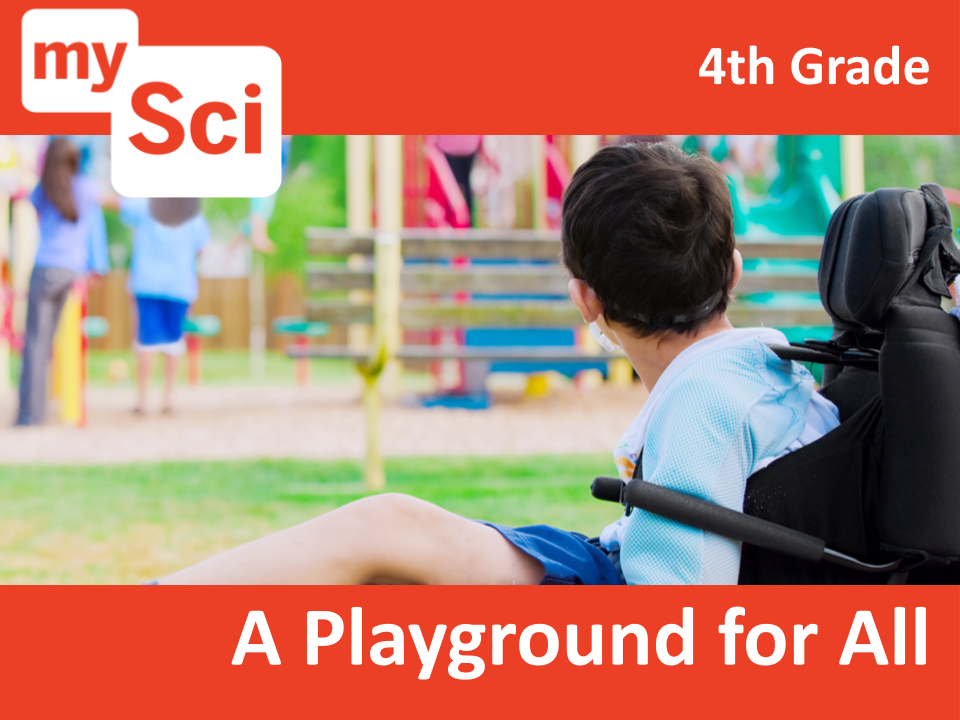
In this unit, students reflect on their personal experiences with playgrounds. They discuss the playgrounds they have played on and the types of equipment, activities, and games they like to engage with on a playground. This will lead to a conversation about what makes playgrounds enjoyable and safe, as well as ideas for making them more inclusive. Students will conduct a survey of their own school’s playground using a checklist to ask other students if the playground equipment is both engaging, safe, and inclusive. Throughout the unit, students investigate the problem of creating better playgrounds and will focus on creating prototypes and designs for their own playgrounds, with an emphasis on making them fun, safe, and inclusive.
Learn more in the Unit Overview
MATERIALS FOR 1 CLASS | $275