

July 27-30, 2026
FREE FOR all Public & Private
Districts in CESA 6 & 7
Limited seats are still available. Register by July 17, 2026.
Across Wisconsin, science teachers are working hard to make learning meaningful and relevant for every student. No matter where you are in your journey to High Quality Science Education, this opportunity is for you!
This summer, join science educators from across Northeast Wisconsin for a transformational professional learning experience designed to deepen practice, strengthen leadership, and inspire collaboration.
Facilitated by WI Science Education Leaders
Kevin Anderson
WI Department of Public Instruction Science Consultant
Terry Schwaller
President, Wisconsin Society of Science Educators
Science Instructor, Shiocton School District
Sonja Gasper
Science Instructor, Newman Catholic High School
New Teacher Committee Chair, WSST
Kim Lemberger
Director of Learning, Einstein Project

Chad Janowski
Executive Director, Einstein Project
Chief Financial Officer, WSST
Region E Director, National Science Education Association
Daily National Science Education Guest Speakers
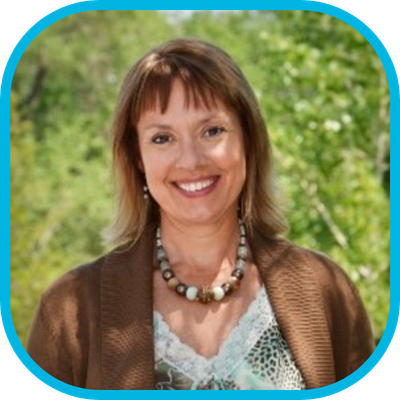
Jody Bintz
Director, Strategic Partnerships and Leadership & Capacity-Building, BSCS
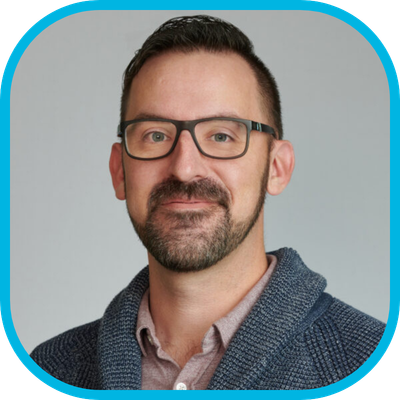
TJ McKenna
Program Director, AI & Education, Boston University
Director, Center for STEM Professional Learning at Scale
Author of Making Sense of Sensemaking
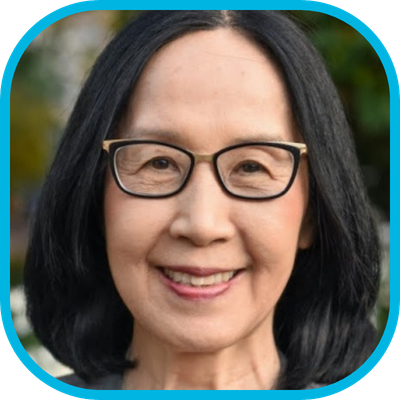
Okhee Lee
Peter L. Agnew Professor of Education, New York University
Next Generation Science Standards (NGSS) Writing Team
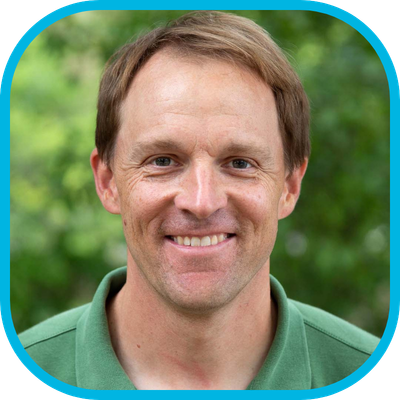
David Stroupe
Professor of teacher education, STEM education, and the learning sciences, University of Utah
Author of Growing and Sustaining Student-Centered Science Classrooms
THANK YOU!
Through the incredible generosity of the Nelson Family Fund, this opportunity is being provided at no cost to CESA 7 and CESA 6 teachers and administrators. Rita and David were strong believers in education and the impact teachers can have on their students.
After raising the three boys, Rita graduated from UW–Green Bay with a teaching degree in 1974. She taught for 18 years in the De Pere School District.

What would it take to make science learning more engaging for every student?
How can we move from “covering content” to inspiring curiosity?
Have you adopted high-quality instructional materials and want to get the most out of them?
Do you need to get alignment on your vision of science instruction and what is being practiced in all classrooms?
How might you lead change for science learning in your district?
Over four immersive days, district teams will come together to explore and Define what high-quality science education looks like in practice and how to make it a reality in every classroom.
Hosted by the Einstein Project, this experience is fully sponsored by the Generosity of the David L. & Rita E. Nelson Family Fund, ensuring educators can focus on learning, collaboration, and leadership—without the barrier of financial burden to their district.
Through hands-on, phenomenon-driven experiences and structured team collaboration, educators will:
Experience high-quality, sensemaking instruction that mirrors how students learn—through inquiry, discovery, and collaboration.
Deepen understanding of the Framework for K–12 Science Education and NGSS, clarifying what rigorous, engaging science teaching looks like.
Explore beliefs and values about the roles of teachers and students in science learning.
Collaborate in district teams to identify local goals, design action plans, and build strategies for lasting change.
Develop leadership capacity to support and inspire colleagues back home.
The Experience at a Glance
📅 When: July 27-30 - 8 am to 4 pm (lunch & snacks provided!)
📍 Where: STEM Innovation Center, UW–Green Bay
👥 Who: Teams of 3–4 educators per district (teachers, coaches, or administrators)
💰 Cost: Fully sponsored by the Nelson Family Fund
🎯 Capacity: Limited to 100 participants from CESA 6 & 7

Everyone is on a Journey…
If the vision of the Framework visible in your classroom?
What does HQ Science Education look like? We have created a tool to help you identify where you are in your journey to HQ Science Education. The literature identifies 5 areas of focus. We described different components for each of them and progressions to help you know where you are and what you can work on next.
Session Highlights
Visions of HQ Sci Ed: Explore the vision of high-quality science instruction as laid out by the Framework and NGSS.
Making Thinking Visible with Modeling: Experience modeling as a tool for reasoning and explanation.
Collaborative Sensemaking Through Productive Discourse: Learn to facilitate classroom talk that drives understanding.
Equitable Access & Opportunities: Create classrooms where all students can contribute meaningfully to science learning.
Student-Centered Sensemaking with SEPs & CCCs: Use the Science and Engineering Practices and Crosscutting Concepts to support deep learning.
A Village Approach to Lasting Change
Transforming science education takes a community. Participants will collaborate with peers, state leaders, and regional partners—including the Wisconsin Department of Public Instruction and leaders from the Wisconsin Society of Science Teachers (WSST)—to build a shared vision and a network that lasts well beyond the summer.

